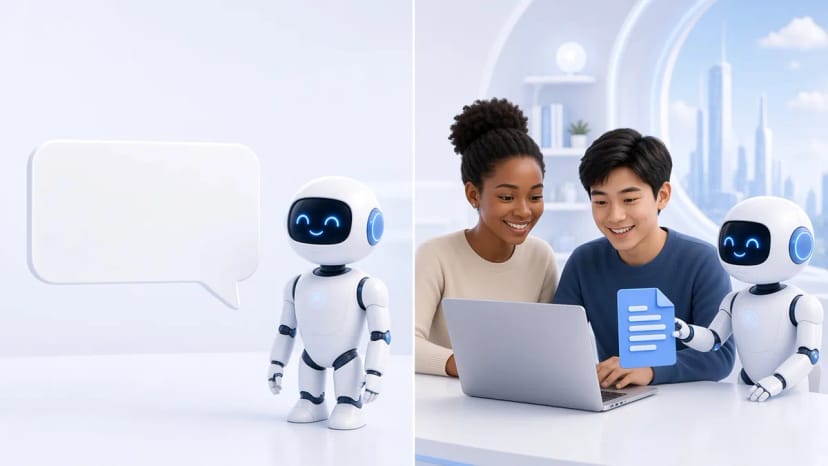
AI tutors explain concepts. AI teammates change how practice feels — because learning happens in conversation, feedback, and shared responsibility. Here's why the distinction matters for professional readiness.
Tutor vs. teammate
A tutor optimizes for your understanding. A teammate optimizes for the team's output — and expects you to pull weight. That shift introduces accountability, negotiation, and realism that flashcards and video lectures can't replicate.
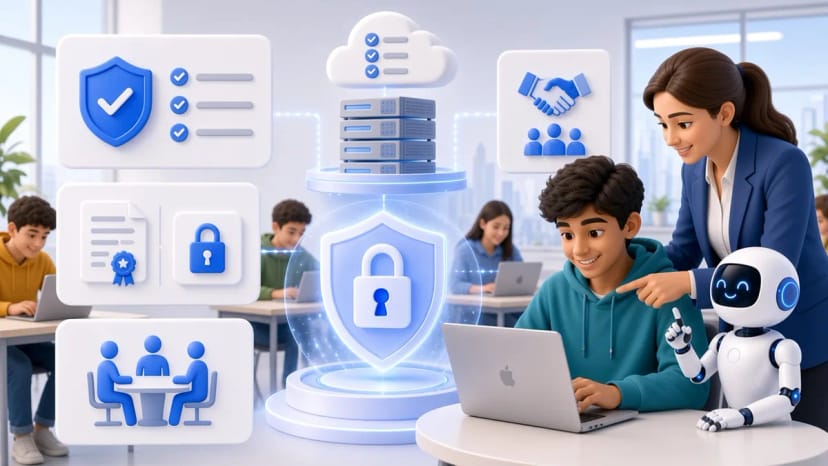
In Digital Internship, AI fills roles — Manager, PM, Team Lead, QA, Mentor, coworkers — with distinct expectations. Learners don't just receive hints; they receive assignments, rejections, and approvals.
Feedback at the speed of work
Workplace learning is iterative: draft, review, revise, ship. AI teammates compress that cycle so learners experience multiple loops in a single session, building habits employers recognize.
Mentor roles focus on judgement and communication; QA roles enforce standards; managers prioritize and unblock. The diversity of feedback mirrors actual early-career noise — not a single omniscient chatbot voice.
Social skills scale
Soft skills failed in traditional e-learning because they require interaction. Simulated colleagues create low-stakes practice for status updates, pushback, handoffs, and ethical calls — scored, not self-reported.
Educators shift from grading every submission to coaching exceptions flagged by the system — the human work that still requires humans.
Preparing for hybrid workplaces
Graduates will work alongside AI tools and AI-mediated processes. Training inside hybrid teams is closer to the future norm than solo study ever was.
AI teammates aren't replacements for human mentorship at scale — they're the practice field where capability becomes visible before anyone stakes a job offer on it.